
EliteGear HQ

Automated Guided Vehicles (AGVs)
Automated Guided Vehicles (AGVs) are mobile robots designed to transport materials and goods within facilities without human intervention. Equipped with advanced navigation systems, sensors, and customizable load-handling attachments, AGVs enhance efficiency, improve safety, and reduce labor costs by autonomously transporting items across manufacturing plants, warehouses, and distribution centers.
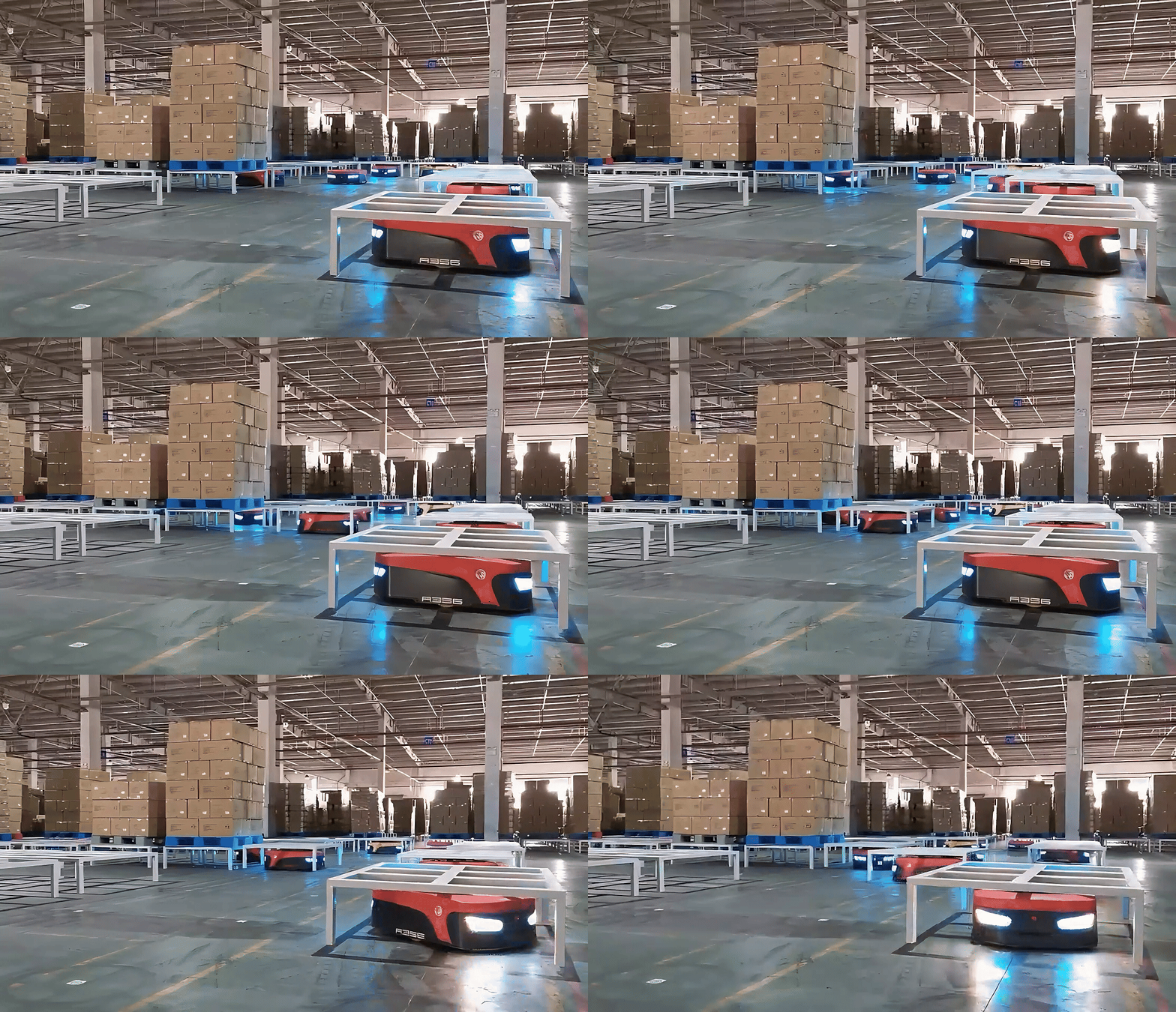
Automated Guided Vehicles (AGVs) are mobile robots that transport materials and goods within a facility without human intervention. They are equipped with advanced navigation systems, sensors, and software, enabling them to move safely and efficiently along predetermined paths. AGVs are widely used in various industries, including manufacturing, logistics, and warehousing, to streamline operations, reduce labor costs, and improve overall productivity.
Key Features:
Autonomous Navigation: AGVs utilize technologies such as laser guidance, magnetic tape, or visual markers to navigate and follow defined routes, adapting to changes in the environment.
Obstacle Detection: Equipped with sensors (e.g., LIDAR, ultrasonic, and infrared), AGVs can detect obstacles in real-time, allowing them to adjust their paths or stop to avoid collisions, ensuring safe operation.
Load Handling: Many AGVs come with customizable attachments, such as forks, conveyors, or trays, enabling them to handle various types of loads, including pallets, boxes, and raw materials.
User-Friendly Interface: Most AGVs feature intuitive controls and interfaces, allowing for easy programming and monitoring. Users can easily set routes, manage schedules, and receive real-time updates on vehicle status.
Integration Capability: AGVs can seamlessly integrate with existing warehouse management systems (WMS) and enterprise resource planning (ERP) software, enabling better coordination and data exchange across the supply chain.
Battery and Charging Solutions: Many AGVs are powered by rechargeable batteries with options for automatic charging stations, ensuring minimal downtime and continuous operation.
Applications:
Material Transport: AGVs are commonly used for transporting raw materials, components, and finished goods within manufacturing plants, distribution centers, and warehouses, facilitating efficient material flow.
Order Fulfillment: In logistics and e-commerce environments, AGVs assist in picking and transporting items for order fulfillment, reducing the time and labor required for manual handling.
Production Line Support: AGVs can deliver components to assembly lines or workstations, ensuring a steady supply of materials while minimizing disruptions in production.
Inventory Management: By automating the movement of goods, AGVs help maintain accurate inventory levels and reduce the risk of stock discrepancies, contributing to better overall inventory management.
Healthcare Applications: In hospitals and healthcare facilities, AGVs are used to transport medications, supplies, and even clean linen, helping to maintain sterile environments and enhance operational efficiency.
In summary, AGVs offer a versatile and efficient solution for automating material handling and transportation processes across various industries. Their ability to enhance productivity, improve safety, and reduce operational costs makes them an invaluable asset in today’s fast-paced and competitive business environment.